Government & Reform · Accountability
Half as Corrupt
A less corrupt government can improve daily life. It is not the same as an honest one.
Read today's essayIn an era of concentrated power, broken government and artificial intelligence.
A less corrupt government can improve daily life. It is not the same as an honest one.
Read today's essayAP reports that U.S.
Read the selectionAP reports that a federal appellate panel questioned the timing, jurisdiction and constitutional basis of the Justice Department’s request that California set aside ballots associated with roughly 20,000 names the administration flagged as possible noncitizens.
Read the selectionThe Post reports that cybersecurity start-up Cathedral said its researchers were able to penetrate sensitive internal systems at Anthropic in a 12-hour exercise, using vulnerabilities in connected vendor tools.
Read the selectionThe U.S.
Read the selectionThe Child Mind Institute report presents a national survey of 1,000 U.S.
Read the selectionReuters reports that U.S.
Read the selectionShort observations on the forces shaping our lives—and the choices still available to us.
View all on YouTubeReceive Dylan's essays and occasional updates by email. Free. Delivered through Substack.
Form not appearing? Subscribe securely on Substack.
By subscribing, you agree to receive emails from Dylan Ratigan through Substack. Unsubscribe at any time.
How money moves, who owns it and how concentrated capital shapes public life.
Begin with: When the Many Pay and the Few Profit0217 essaysHow institutions are captured—and what can restore accountability, competition and trust.
Begin with: Half as Corrupt038 essaysWho owns the machine, who benefits and whether technology expands human capability.
Begin with: AI Is the World’s Most Powerful Utility and We Need to Treat It as Such042 essaysHow questions, incentives and platforms decide what enters public life.
Begin with: Who Does the Media Work For?056 essaysIdentity, impermanence, spirit and the inner conditions of human agency.
Begin with: The Power of Young Men065 essaysPeople, journeys, work and the lived experiences that make large systems visible.
Begin with: America & The House Next DoorFor thirty years, Dylan has followed money, power and the choices institutions make from inside the rooms where decisions are made. The work now asks how people retain the freedom to shape their own lives.
One of the organization's first reporters, beginning in its training program. Established the mergers and acquisitions coverage, created and hosted Bloomberg Television's flagship morning show. Later Global Managing Editor for Corporate Finance.
Co-creator and founding host of Fast Money, one of the most successful financial television shows in US history, opening the conversation among Wall Street traders to the public. Led CNBC's coverage of the financial crisis, becoming the most outspoken critic of the government response before resigning in March 2009 to question the government directly as the host of The Dylan Ratigan Show on MSNBC, which became the most-watched daytime show on the network.
After a viral clip protesting government corruption in 2011, he created Get Money Out, accumulating nearly 300,000 petitioners in a matter of weeks. Dylan then left television to found Helical Holdings. For five years, he worked with returning combat veterans from Camp Pendleton, California, to design and build a system of resilient distributed grid resource hubs that could establish a small piece of civilization anywhere in the world, producing three acres of agriculture, power, clean water and Wi-Fi. He then ran for Congress in 2018 on an anti-corruption political reform platform.
Dylan is the president of Reservations.ai, the CEO of Euforia Group, which designs, produces and sells Italian-made sneakers, bags and travel accessories. He is also the Chairman of Samba Biologics, which develops regenerative tissue therapies for heart attack and stroke. He offers advisory services on a selective basis in industrial development, hospitality, entertainment and biotechnology.
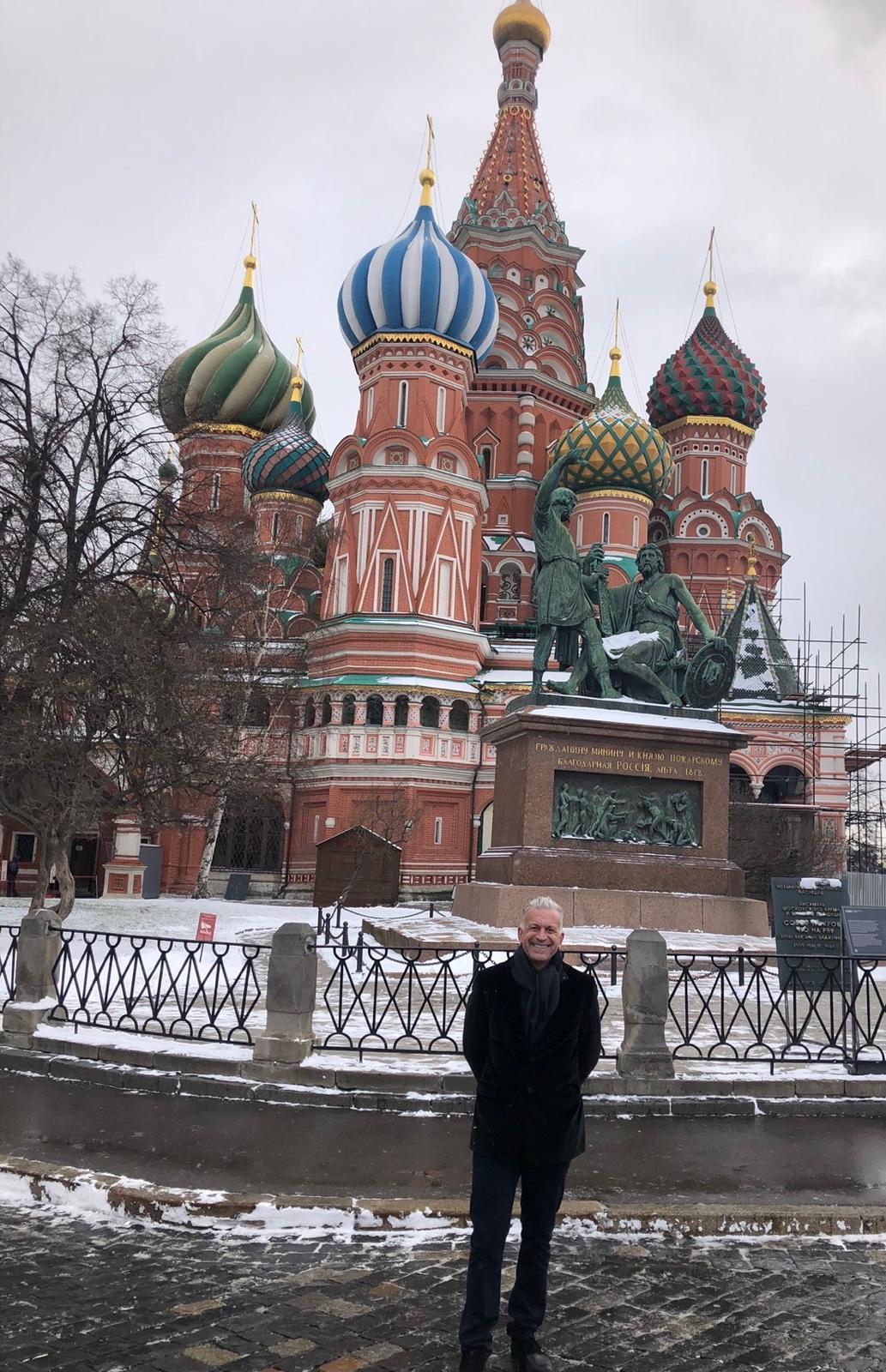
Dylan has traveled through more than 75 countries and lived in four, from Myanmar, China and Japan to Russia, Peru, Bolivia, the Middle East and Europe. He works today from Milan and New York. Those experiences inform his work in travel and his commentary on global affairs.
Essays and a book in progress about capitalism, concentrated power and the human spirit. Dylan's first book, Greedy Bastards, was published by Simon & Schuster in January 2012 and spent six weeks on The New York Times bestseller list. It diagnosed deeply misaligned interests extracting from America while exposing abundant solutions that remain available but ignored.
Clear conversations about the incentives shaping our institutions and the choices still available to people.
Dylan connects financial journalism, public debate and operating experience to the people living inside larger systems.
Keynotes · Moderated conversations · Panels · Interviews
Explore speaking and media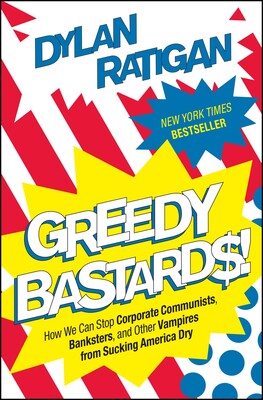
A book about complex systems with misaligned interests—and the terrible outcomes those systems produce. It follows the incentives through banking, education, healthcare, politics, trade and energy.
The question running through it still drives Dylan's work: Who benefits from the rules, and what happens to everyone living with the result?
Journalist, author, executive and explorer. Following money, power and technology back to the people living with the result.
Read Dylan's storySubscribe free by email and join the continuing conversation. Paid support is optional.
Subscribe