Consciousness and Politics
Changing who holds power is not enough. The deeper test is whether we use power differently.
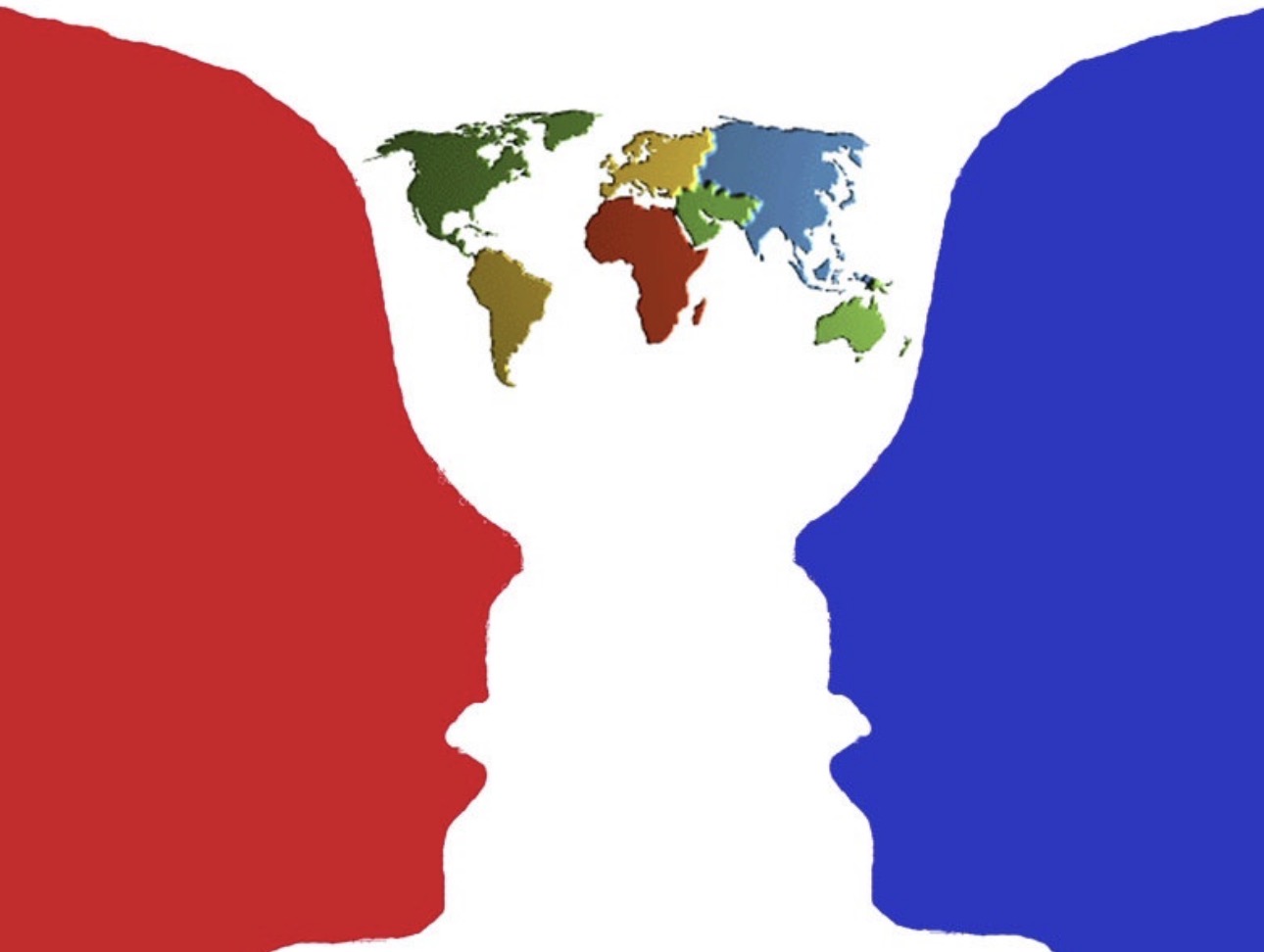
Politics changes hands without changing its nature.
One party leaves. Another takes power. The investigations begin. The old corruption is named, and the people responsible are called to account—or promised to be.
But the deeper question is whether the people who inherit power will use it differently.
I began thinking about that in 2011, when I visited the Occupy Wall Street protests.
The people in the park were talking about real injustice. They were angry at a political and financial system that seemed to protect the powerful while asking everyone else to pay. I understood the anger. I shared much of the diagnosis.
Then I watched the movement itself.
The same hunger for power that Occupy condemned appeared inside the protest. The same manipulation. The same effort to control the room, silence an opponent, and claim the moral high ground while treating other people unfairly.
A movement can oppose injustice and still practice it. A person can demand fairness while refusing to be fair. The language changes. The behavior remains.
That is the problem with treating politics as a contest between good people and bad people.
If we are driven by fear, we can use government to punish whoever frightens us. If we feel cheated, we can turn grievance into permission to cheat someone else. If we want justice only when it benefits our side, justice becomes another instrument of power.
The party in charge changes. The people in charge change. The machinery remains available to whoever holds it.
This is why a change in political leadership can fail to change much. investigation alone does not change the appetite for power that made the corruption possible.
The same thing happens after an election. One side wins. The other side is blamed. People who have waited for relief are told that their turn has finally come.
Then the new leaders face the same choice: serve the public, or use the public’s anger to strengthen their own position.
The answer depends partly on laws, institutions and accountability. But it also depends on the state of consciousness we bring to power.
By consciousness, I mean the ability to notice what is happening inside us before we turn it into someone else’s punishment. To recognize fear before it becomes a demand for control. To notice when the pursuit of justice has become a desire to dominate.
Without that awareness, even a movement built to resist exploitation reproduces the habits of the system it opposes.
The lesson I took from Occupy was not that protest is futile. It was that changing who holds power is not enough. If we want different outcomes, we have to examine the way we use power—even when we believe our cause is right.
That begins close to home. In the way we argue. In whether we can hear someone we dislike. In whether we apply the same standard to our own side that we apply to the other.
This is not a substitute for reform. It is the foundation of what makes reform possible. A fairer system needs rules that restrain power. It also needs people willing to live by the principles they demand from others.
Otherwise, we keep handing the same machinery to new operators and wondering why it produces familiar results.
The question is not only who will govern us next.
It is what kind of people we are becoming as we ask them to govern.
Receive the next essay.
Receive Dylan's essays and occasional updates by email. Free. Delivered through Substack.
Form not appearing? Subscribe securely on Substack.
By subscribing, you agree to receive emails from Dylan Ratigan through Substack. Unsubscribe at any time.