The First American Referendum on Corruption
The midterms may be a referendum on corruption—and a demand to make public power harder to capture.
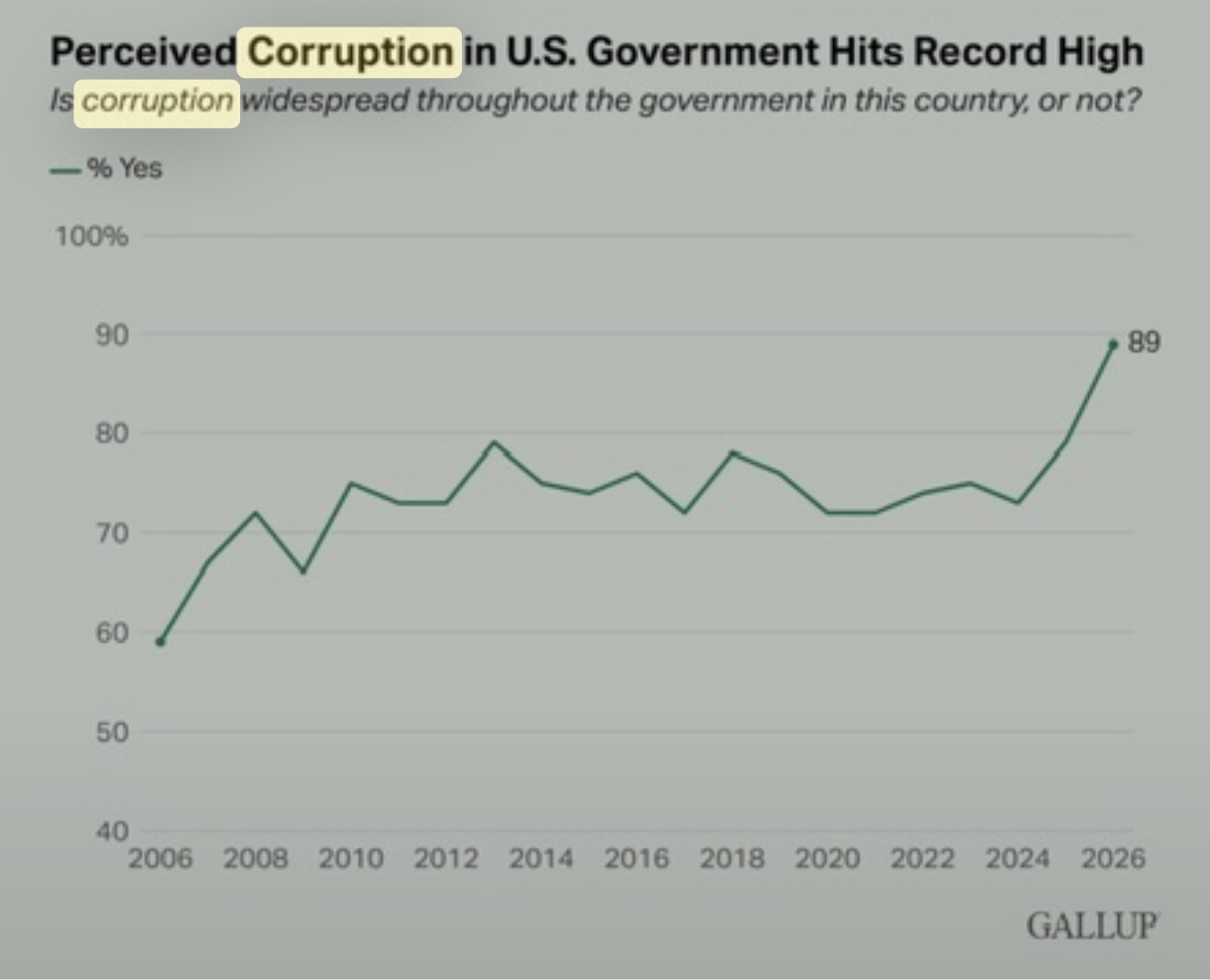
On Tuesday, Americans will vote in a midterm election that may become something larger than a judgment on the party in power. It may be the first American referendum on corruption.
Those of us who have watched politics closely over the last few decades have seen corruption take root at every level of government: in the tax code, in policymaking, in the way money moves through campaigns and institutions. It became so familiar that many people stopped expecting anything different. The system seemed to reward those who knew how to work it, while asking everyone else to accept the costs.
Ironically, that history helped bring the current administration to power. Its promise was that the people in charge before it were corrupt, and that a new group would clean things up. Many Americans believed the promise because they had watched the old failures pile up. They wanted accountability. They wanted a government that worked for the public rather than for the people best positioned to profit from it.
But over the last two years, corruption has become more explicit, more brazen and more visible. The scale and dollar amounts have reached levels many of us would once have struggled to imagine. The conduct is no longer tucked away behind the usual language of influence, access and political necessity. It is happening in the open, at every layer of the operation.
In a different system, a government that had lost the public’s confidence might face a no-confidence vote. The government could fall, and new candidates could be called upon to form another. That is not the system we have. In the United States, our main instrument for expressing that loss of confidence is the election—and the choices are shaped by a two-party structure.
That structure leaves many voters with a difficult choice. They may find the opposing party unappealing, or even deeply disappointing. Many of us do. But the incumbent administration has taken corruption to a level that makes the alternative, however imperfect, vastly more appealing. The vote is not a declaration that one party is virtuous or that every candidate on the other side deserves trust. It is a judgment about what has happened and whether the people responsible should continue to exercise power.
There is a possible silver lining in the scale, scope and transparency of this corruption. Earlier forms were easier to disguise. They could be explained away as isolated incidents, political horse-trading or simply the way Washington worked. This wave is harder to hide. Its visibility may force corruption to become the central organizing issue in American politics—not as a charge one party uses against another, but as a problem the country has to confront.
That would require more than replacing one set of officeholders with another. It would mean changing the conditions that make corruption profitable and difficult to detect. Radical transparency should be the starting point: the public should be able to see who is funding political campaigns, who is influencing policy, and how decisions benefit those with access to power. Campaign finance must be reformed so that public policy is not effectively auctioned to the highest bidder. Government should make its decisions and spending easier to follow, and enforce meaningful consequences when officials abuse the public trust.
The purpose of reform is not to hand permanent power to one party. It is to make it harder for either party to sell the public’s government to private interests. If the election becomes a referendum on corruption, it should also become the beginning of a demand that survives the election: make the system transparent, make the money visible, and make public office answerable to the public.
Americans should be able to disagree about taxes, spending, borders, schools and the many other questions that define a democracy. But there should be no party advantage in allowing corruption to flourish. On Tuesday, voters have a chance to say that the current level of corruption is unacceptable. The larger test will be whether we can turn that judgment into a government that is harder to capture—and harder to corrupt.
Receive the next essay.
Receive Dylan's essays and occasional updates by email. Free. Delivered through Substack.
Form not appearing? Subscribe securely on Substack.
By subscribing, you agree to receive emails from Dylan Ratigan through Substack. Unsubscribe at any time.