Inflation Is the Bill for a System That Won’t Change
The monthly number changes. The underlying transfer does not: protected systems are financed now, while households pay through higher prices later.
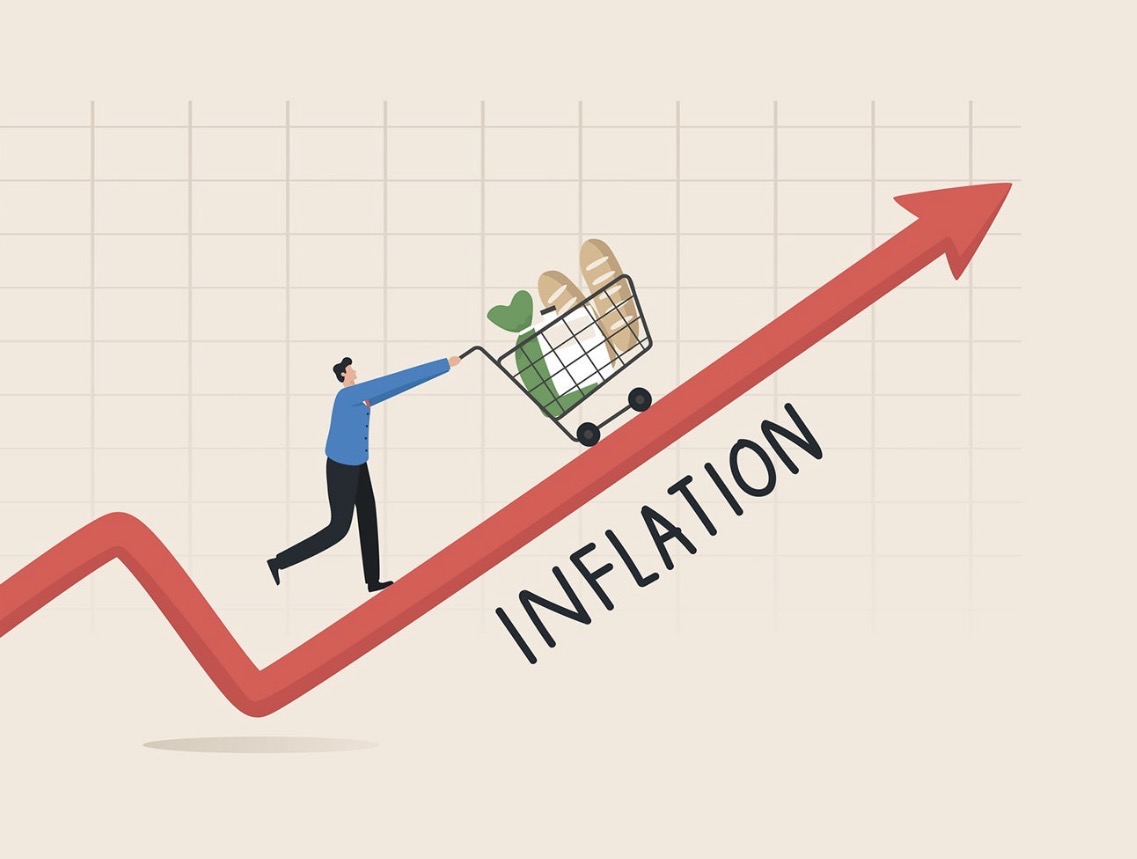
The latest inflation report delivered two numbers and one omission.
Consumer prices rose 0.4 percent in October, more than economists expected. Core prices, which exclude food and energy, rose 0.3 percent. The government could not report the usual year-over-year inflation figure because last year’s shutdown prevented the collection of October price data.
The numbers describe what people are experiencing: the cost of living keeps rising, even when the monthly increase slows. The omission says something about the system measuring it. A government that cannot reliably compare the cost of living from one year to the next makes it harder for people to see what is happening to them—and harder to hold anyone accountable for it.
Inflation is often described as a force of nature. It is not. It is also the accumulated result of decisions about what government funds, what it protects and what it refuses to change.
When a system is expensive and politically protected, the default response is to preserve it. Washington borrows the money, runs a deficit and leaves the bill to appear later in prices, interest costs and diminished purchasing power. The beneficiaries are visible and organized. The people who pay are spread across the country and often do not see the connection.
That distance is the point. A tax increase is visible. A price increase arrives quietly, one grocery run, rent payment, utility bill and tank of gas at a time. It takes purchasing power from workers and families without a clear vote on who receives the money or what they receive in return.
The October report does not prove that any single program caused this month’s increase. It does show that prices are still rising faster than the Federal Reserve’s target, and tariffs and higher oil prices are contributing to the pressure. The country is left debating the latest monthly number while the deeper question remains: why do we keep paying more for systems that deliver so little improvement in people’s lives?
Healthcare is an obvious example. The United States spends enormous sums, yet families still struggle to afford care and understand their bills. The default is to fund the existing arrangements again. The same pattern appears in education, defense and tax policy: spend more to preserve the structure, then treat the rising bill as unavoidable.
This is not an argument for doing less. It is an argument for asking what works before writing the check. Which practices produce better health? Which forms of teaching help students master what they are learning? Which investments give the public more security for each dollar spent? Those questions should come before another round of borrowing to sustain an arrangement that has already failed to deliver.
The missing year-over-year inflation figure matters for the same reason. Public confidence depends on people being able to see what government is doing and what it costs. When the numbers are missing, people are left with their own bills and a growing sense that the system is not accountable to them.
Inflation transfers resources. The people closest to protected institutions receive money now. Everyone else pays through higher prices later. If the public cannot clearly trace that transfer, the system can keep repeating it.
The answer is not another promise to make the old structure cheaper someday. It is to expose the cost, compare results and direct public money toward what produces real value. Until government can show that it is improving the services people depend on, inflation will remain the bill for a system that refuses to change.
Receive the next essay.
Receive Dylan's essays and occasional updates by email. Free. Delivered through Substack.
Form not appearing? Subscribe securely on Substack.
By subscribing, you agree to receive emails from Dylan Ratigan through Substack. Unsubscribe at any time.